The Importance of Year 9
Whether you are looking from the perspective of a parent, or a teacher, it is common to recognise the profound social, emotional and intellectual changes taking place for students of this age group.
Changes can impact decision-making, attitudes to learning and emotions and while students need support through this period of cognitive development, some of the key learning characteristics of students at this age are that they are;
less likely to be engaged and curious compared to previous years
have a decline in motivation
learn better when it is social
seek acceptance from a range of adults in their lives
move away from dependence on the family
be less engaged by traditional school activities
statistically (across Victoria) have higher rates of absenteeism compared to other year levels
All of these factors can have a significant impact on learning and lifelong consequences.
At Overnewton, we recognise that Year 9 students have unique educational, social and emotional needs. Our program has been intentionally designed to respond to these needs and to re-engage students at this pivotal stage of their schooling.

Learning and Teaching Considerations
Traditional school structures and approaches are often less effective in engaging students in Years 9 and 10 than in earlier year levels. Student motivation and engagement at this stage are strongly influenced by the relevance of learning tasks, the context in which learning occurs, and the quality of classroom relationships, all of which play a critical role in learning outcomes.
Research also indicates that student achievement improves when learning environments are purpose-designed and flexible, creating spaces that better support collaboration, independence and focus.
Effective learning programs for Year 9 students should therefore:
- Offer challenging, integrative and exploratory curriculum experiences
- Vary teaching and learning approaches
- Provide students with choice and a sense of control over their learning
- Connect learning to meaningful life experiences, real-world contexts and questions relevant to adolescents
Brain Development and Learning
During adolescence, significant brain development occurs, particularly in the prefrontal cortex. This helps explain why young people at this age may respond more emotionally, test boundaries or engage in risk-taking behaviour.
The experiences and opportunities provided during this period play an important role in shaping brain development. Purposeful learning experiences, supportive relationships and structured opportunities for independence can positively influence students’ growth and decision-making.
Addressing the Needs of Year 9 Students
In addition to our purpose-built Year 9 learning environment, the Year 9 program at Overnewton has been carefully designed to support students during this important stage of development. Key features include:
- A consistent and supportive staff network through teaching teams and home group structures
- Opportunities for student agency through the Learning Choices program
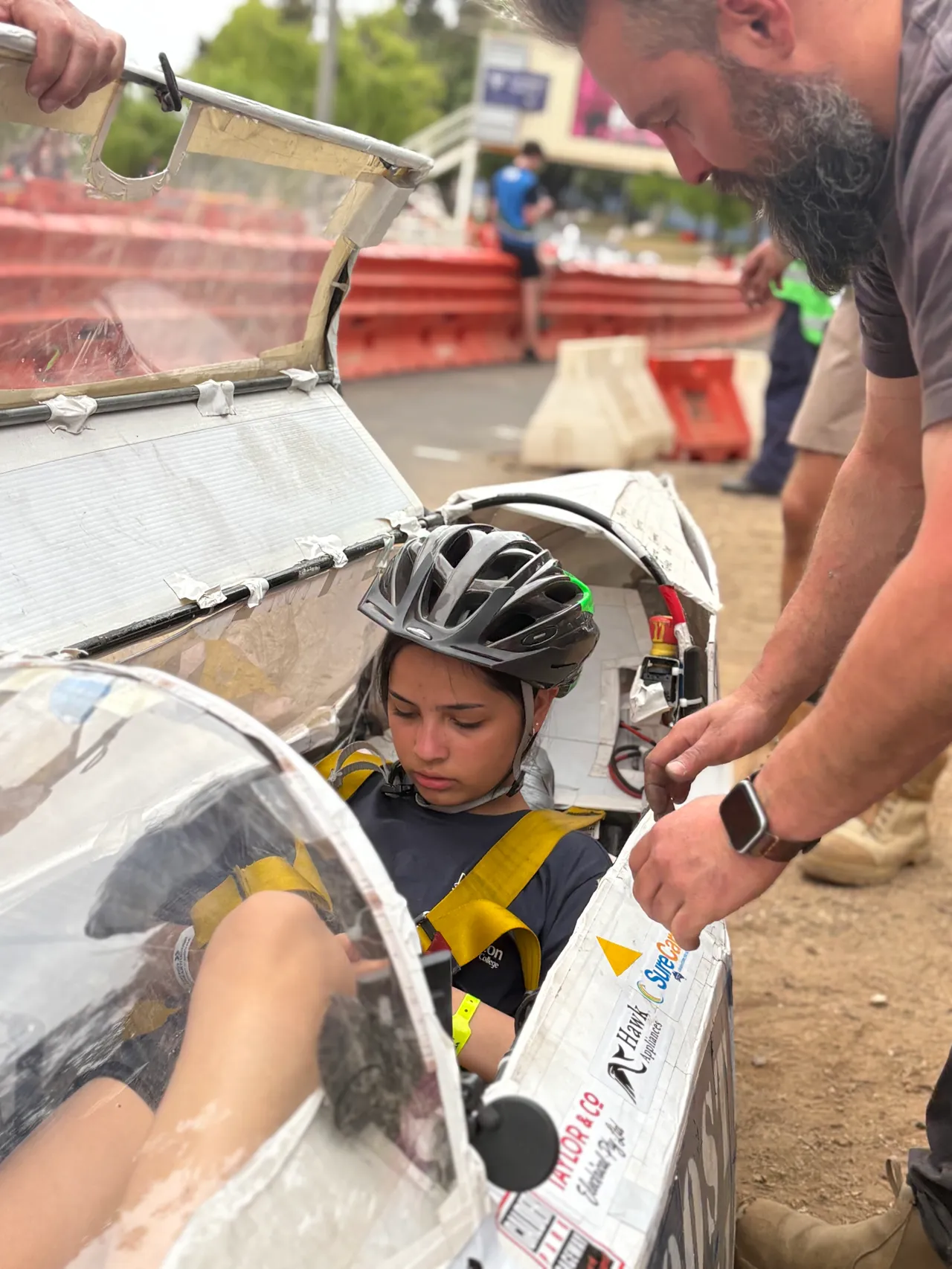
- Off-site and experiential learning, particularly through Focus Week, with learning taking place in the city, on environmental field trips and in outdoor settings across the College
- Structured opportunities for independence that support the development of confidence, maturity and responsibility
- A focus on communication skills, emotional intelligence and resilience through the It’s A W.R.A.P program
Together, these elements create a learning experience that acknowledges the challenges of Year 9 while actively supporting students to re-engage, grow and thrive as young adults.