English
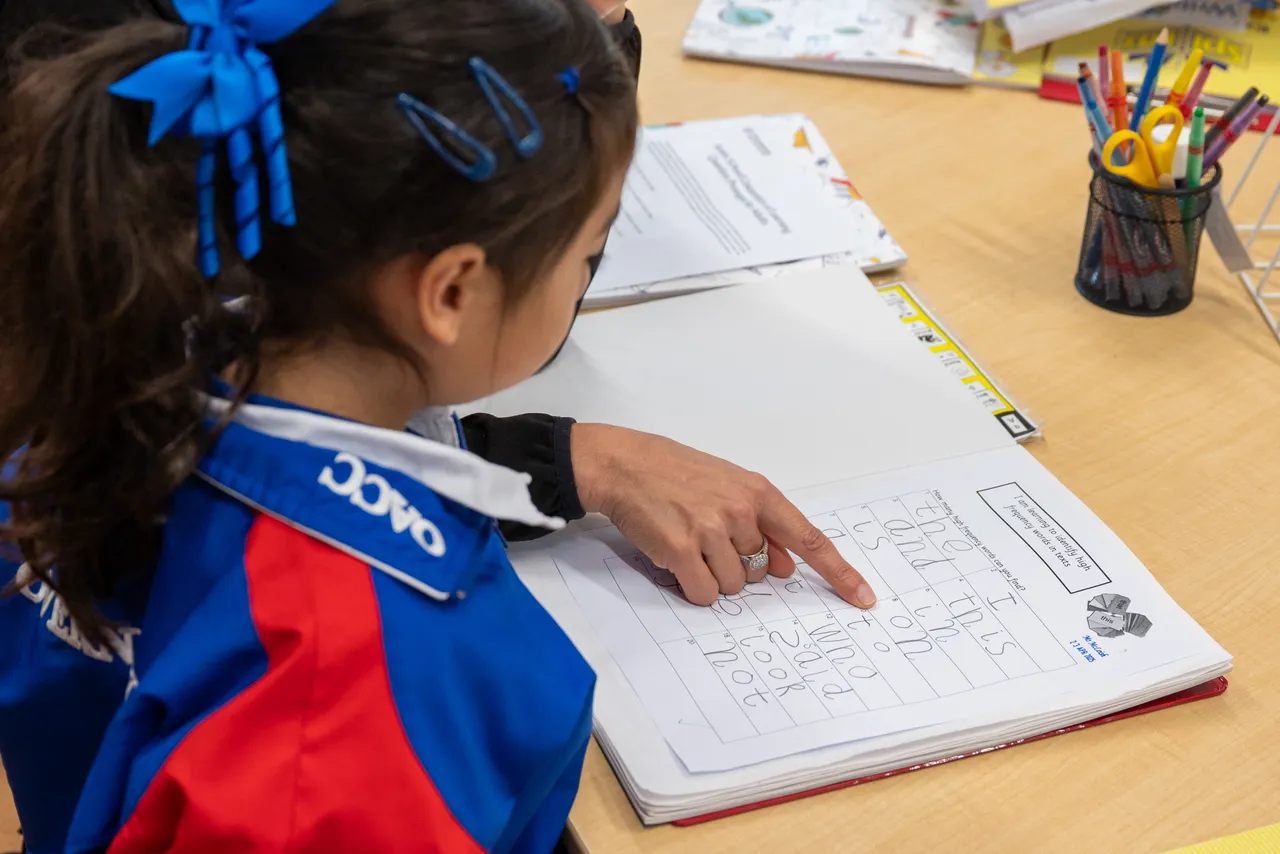
English forms a substantial part of each school day at Overnewton, particularly in the early years. In Prep, the English curriculum includes Reading, Writing, Handwriting, and Speaking and Listening, all of which build the foundation for communication, critical thinking and creativity. Through English, students learn to analyse information, express ideas confidently, and develop the skills that support their learning across every subject area.
The Importance of Reading
Reading is one of the most powerful indicators of a child’s future success, both at school and in life. It is not an automatic skill, but a complex process that must be explicitly taught by expert educators. Our teachers draw on deep knowledge and proven strategies to ensure each student gains the skills to read fluently, accurately, and with understanding. The more students read, the more they are exposed to new vocabulary, ideas and ways of thinking which lays the groundwork for long-term academic achievement.
Why Reading Matters
Research shows a strong correlation between time spent reading and word exposure: reading just one minute per day equates to 8,000 words a year, while 20 minutes a day exposes a child to over 1.8 million words annually. This extensive exposure not only improves reading ability but also supports spelling, writing and overall language development. It is why we strongly encourage daily reading at home to promote a joyful and enriching habit.

Building Strong Foundations with THRASS
Evidence-based research has proven that children must develop a strong understanding of phonics - and an awareness of letters and their place within words - in order to progress in reading, writing and spelling. At Overnewton, we draw on THRASS (Teaching Handwriting, Reading and Spelling Skills) alongside other proven approaches to teach the essential building blocks of English. THRASS supports students to understand the connections between letters, speech sounds and spelling choices. Introduced from the first day of Prep, our structured phonics instruction provides students with the tools they need to become confident readers, capable writers, and effective communicators.
The adoption of systematic phonics instruction is a proven method of teaching letter-sound correspondences and their use in the process of reading and spelling words.
The Power of Oral Language
Oral language is a vital building block for your child’s literacy and overall academic success. At Overnewton, we prioritise developing strong speaking and listening skills right from Prep. A six-year-old’s vocabulary is one of the best predictors of their future reading success. Regular conversations at home expose your child to a rich variety of words and help grow their personal vocabulary - skills that naturally support reading and writing as they develop. At Overnewton, each student also gains valuable speaking experience through opportunities at Assemblies, Chapel Services, and classroom presentations that connect directly to their learning programs.

The Path to Writing
When students have gained a solid oral language foundation, alongside knowledge of letters and sounds, their ability to write can begin to flourish. Writing combines reading, spelling, grammar and speaking skills and also requires fine motor control and fluency - it’s one of the most complex tasks our brains undertake! Listening closely, recognising letters and sounds, and understanding meaning all play important roles in assisting children to write well. Families can support this journey at home with activities that strengthen fingers and coordination, such as cutting with scissors, playing with playdough, or building with LEGO, which prepare for writing success.